


The President of Peace: Donald J. Trump and the Historic Opportunity to Recognize Somaliland
President Donald J. Trump’s second term in the White House comes at a time of unprecedented global conflict and instability. His administration has pursued a distinctive approach to international diplomacy, emphasizing peace promotion, conflict resolution, and the prevention of a potential Third World War.
Undoubtedly, President Trump has recorded notable achievements in mediating and resolving conflicts within a relatively short period. Within eight months, his administration facilitated peace initiatives and de-escalation efforts in several regions, including the Democratic Republic of Congo and Rwanda, Thailand and Cambodia, Armenia and Azerbaijan, Israel and Hamas, as well as the highly dangerous war between Pakistan and India.
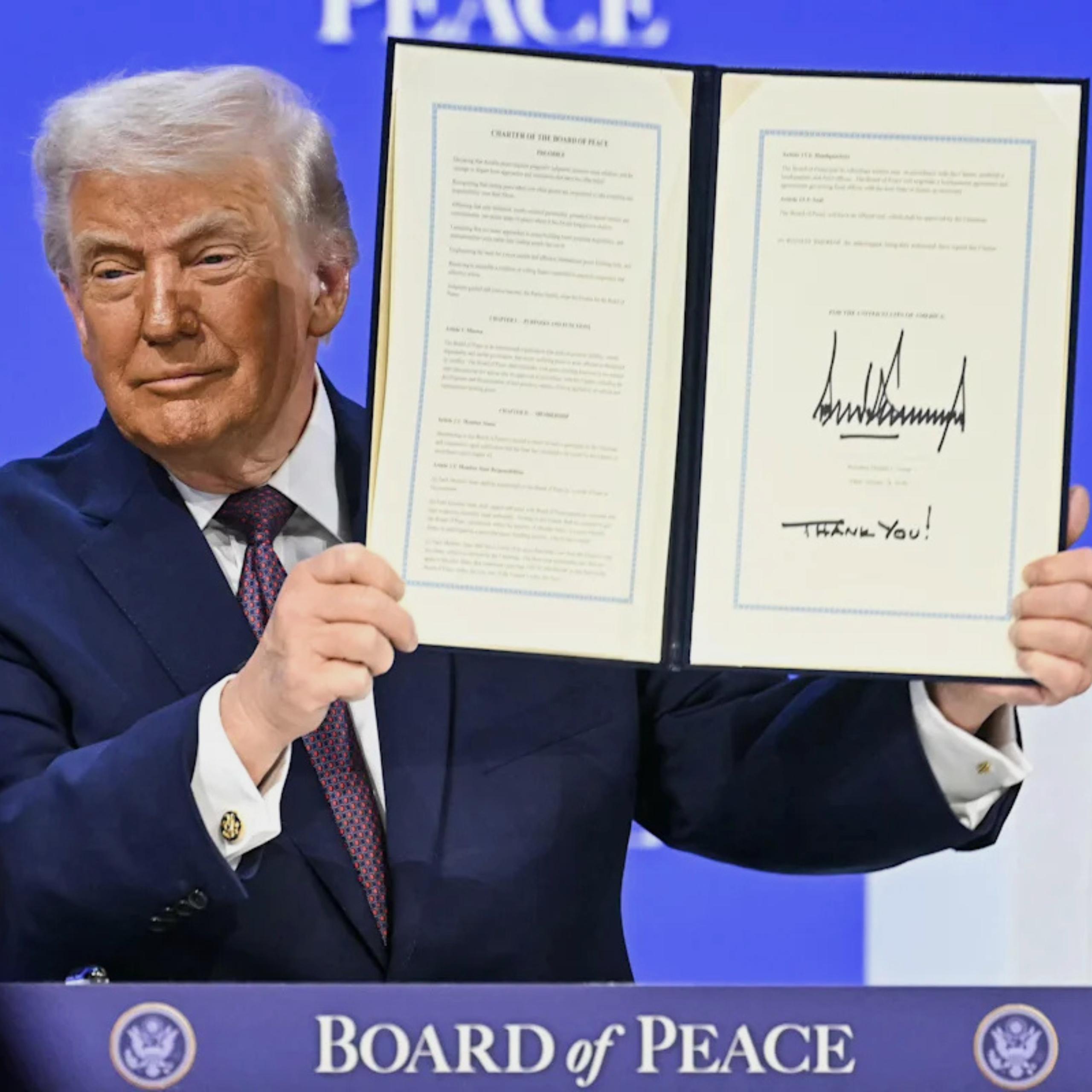
Moreover, President Trump has worked to advance efforts aimed at ending the ongoing war in Ukraine. His administration has also prioritized easing tensions between Ethiopia and Egypt, Ethiopia and Eritrea, and Pakistan and Afghanistan. Most recently, he signed the Board of Peace and Reconstruction of Gaza City during the World Economic Forum in Davos, further underscoring his commitment to global peacebuilding.
A Vision for a Peaceful and Stable World
President Trump envisions a world free from war and the catastrophic threat posed by nuclear weapons. His foreign policy framework emphasizes proactive diplomacy, strategic negotiation, and the promotion of global stability. Through these principles, his leadership has sought to elevate the prestige and influence of the United States on the international stage.
Despite the relatively short duration of his current tenure, President Trump has achieved significant diplomatic outcomes by addressing long-standing conflicts and reaffirming the United States’ position as a global superpower. His administration demonstrates that decisive, consistent leadership can yield meaningful and lasting peace and security across multiple regions.
The Unresolved Question of Somaliland’s Recognition
Beyond global diplomacy, the question of Somaliland’s recognition remains unresolved. For decades, the African Union, the Intergovernmental Authority on Development (IGAD), and successive U.S. administrations, including those of Presidents Obama and Biden, have failed to address Somaliland’s legitimate claims to Statehood.
Instead, these administrations have continued to support the stagnant and ineffective “One Somalia” policy framework. This outdated approach not only constrains Somaliland’s legitimate aspirations for international recognition but also undermines U.S. strategic interests in the Red Sea and the Gulf of Aden.
More than 6.2 million Somalilanders continue to hope for a forward-looking U.S. foreign policy under President Trump’s leadership. They view potential U.S. recognition as a corrective measure to a longstanding injustice and the denial of fundamental human and political rights arising from Somalia’s unlawful territorial claims.
In contrast, the United States has supported more than $2.5 billion in Somalia for peacebuilding and state-building under previous administrations. However, systemic corruption, weak governance, and the misuse of international assistance by Somalia’s leadership have severely limited progress. Consequently, Somalia has remained a failed state for more than three decades, marked by terrorism and piracy, while increasingly deepening its engagement with China, developments that directly undermine U.S. strategic interests.
The Strategic Benefits of Recognizing Somaliland
Formally recognizing Somaliland would generate multiple strategic benefits for the United States and its allies.
First, Somaliland’s strategic location is critical to U.S. security and economic interests. Access to Berbera Port would enhance U.S. capacity to safeguard the Red Sea, the Gulf of Aden, and the Bab El-Mandeb Strait, while effectively countering expanding Chinese influence in the region, an objective consistent with President Trump’s foreign policy priorities.
Second, Somaliland has demonstrated its reliability as a democratic and counterterrorism partner in the Horn of Africa. Despite the absence of international recognition, it has successfully prevented terrorism and piracy from spreading into its territory from neighboring Somalia.
Third, Somaliland has joined the Abraham Accords following formal recognition by the State of Israel and is strengthening diplomatic and economic ties with Israel. This development offers clear benefits for key U.S. allies, including Israel, the United Arab Emirates, and Taiwan.
Fourth, Somaliland’s untapped natural resources, including minerals, potential oil reserves, livestock, agriculture, and fisheries, present significant investment opportunities for American companies. As a strategic gateway connecting Africa, the Middle East, and global trade routes, Somaliland holds substantial economic and geostrategic value.
Conclusion
Recognition of Somaliland by the United States under President Donald J. Trump would constitute both a historic act of justice and a strategic advancement of U.S. foreign policy. Such a decision would enhance regional stability, strengthen democratic governance, and reaffirm America’s global leadership.
Moreover, recognition would align closely with President Trump’s core priorities: strengthening the U.S. economy, advancing strategic partnerships, and countering China’s growing influence. In doing so, it would safeguard U.S. national interests while establishing a partnership grounded in mutual respect, shared values, and a stable, peaceful, and prosperous Horn of Africa.
About Laasgeel Institute
Laasgeel Institute is an independent think tank based in Hargeisa, Somaliland. It advocates for Somaliland’s international recognition and promotes good governance, democratization, peace, and evidence-based policy research.