

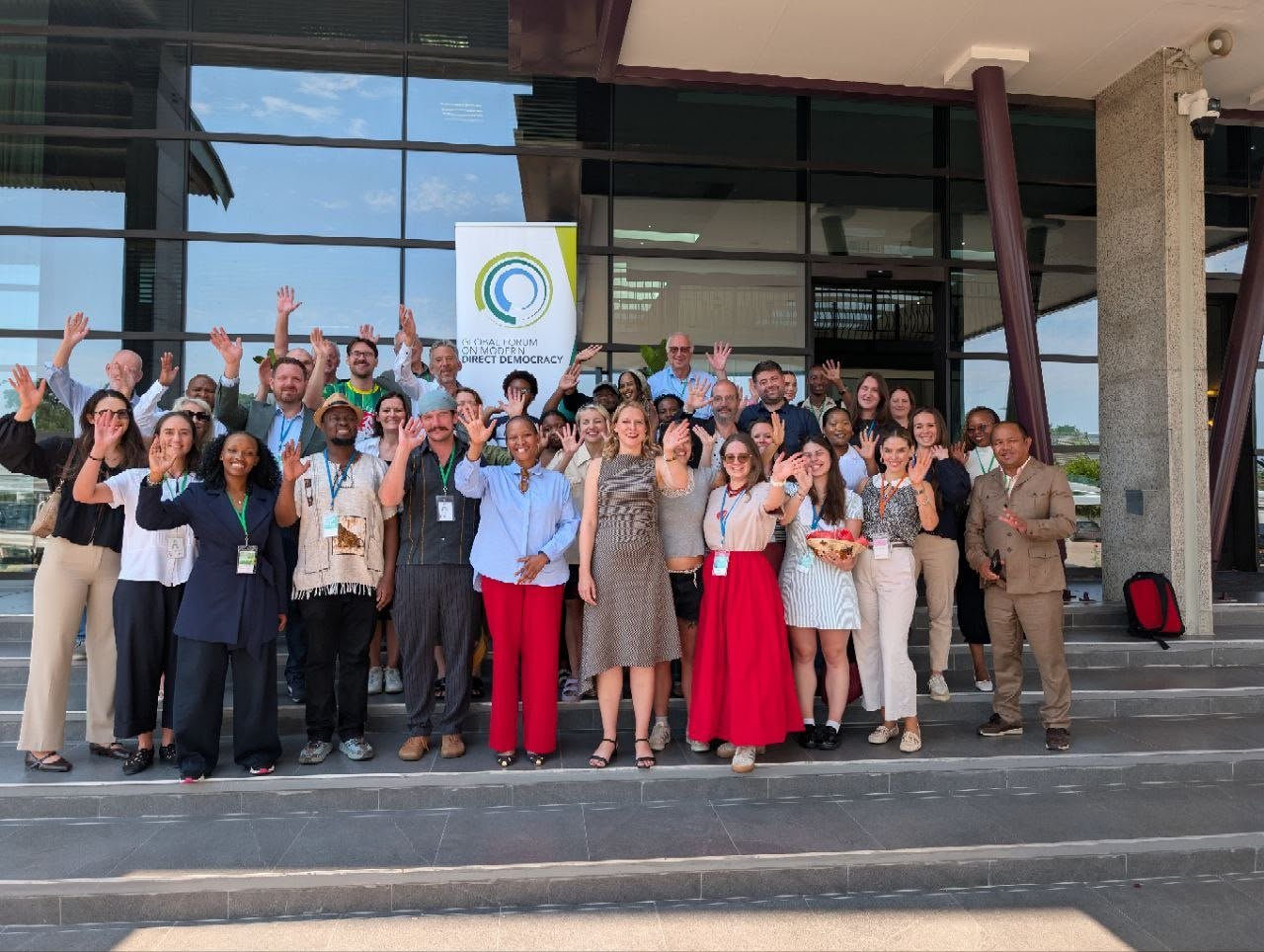
The Laasgeel Institute for Policy Studies and Research Analysis (LIPS) participated in the 2026 Global Forum on Modern Direct Democracy, held in Gaborone, Botswana, from 7–10 October 2026. The international conference brought together academics, policymakers, civil society representatives, and democracy advocates to discuss democratic innovation, citizen participation, and self-determination.
Held under the theme “Indigenous. Resilient. Empowering.” the forum focused on citizen participation, democratic resilience, constitutional reform, youth engagement, and the role of indigenous governance in modern democracy. In particular, Botswana’s traditional Kgotla system was among the key areas of interest, with delegates examining how traditional platforms for community dialogue and consultation can contribute to contemporary democratic practices.
At the heart of the discussions was a central question: How can citizens have greater influence over the decisions that affect their lives, beyond simply voting in elections? Based on the forum discussions covered seven key areas: indigenous governance and the Kgotla system; direct democracy and citizen participation; constitutional reform and democratic institutions; transparency and accountability; youth and women’s participation; civic engagement and inclusive decision-making; and democratic resilience and empowerment.
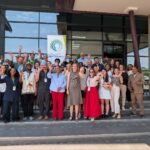
The 13th Global Forum on Modern Direct Democracy brought together 150 participants from five continents and more than 30 countries. The programme featured 48 sessions and activities, with 79 speakers, moderators, and facilitators. Notably, this was the first time the forum had been held in Africa, creating an important opportunity for Somaliland to participate in this international gathering and present its history, democratic development, and case for international recognition.
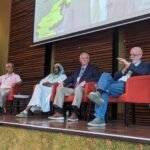
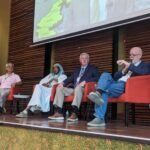
Representing Somaliland, Sulekha Abdi Hassan, a member of the Laasgeel Institute’s Advisory Group, participated in a panel titled “Direct Democracy and Self-Determination: Can Citizens’ Referendums Help Resolve Stateless and Disputed Nations?” The discussion explored how democratic participation and referendums can contribute to addressing questions of political status, sovereignty, legitimacy, and self-determination.
She highlighted Somaliland’s democratic maturity, strong civic participation, and youth engagement, emphasising that these achievements have been driven largely by domestic efforts, without significant external support or international recognition.
During the session, Sulekha also presented Somaliland’s historical background and legal case for international re-recognition, highlighting its democratic development, peace, stability, and strategic position in the Horn of Africa and along the Gulf of Aden. She also explained the historical and political differences between Somaliland and Somalia, emphasizing Somaliland’s distinct experience of governance and its people’s aspirations for international recognition.
Furthermore, she addressed Israel’s recognition of Somaliland, describing it as a strategic diplomatic development rather than a reckless decision. She argued that Somaliland’s case should be considered in light of its historical status, legal arguments, and geopolitical significance.
She also maintained that recognition does not inherently violate the principles of the United Nations Charter or the African Union. These legal questions remain part of the wider international debate on sovereignty, self-determination, and international recognition.
For Somaliland, participation in this forum was significant because it provided an opportunity to present its perspective to an international audience and connect its democratic experience with broader discussions on self-determination and international law. Moreover, it demonstrated the important role of independent research institutions in promoting informed dialogue, strengthening international partnerships, and ensuring that Somaliland’s voice is heard in global policy discussions.
Through this participation, the Laasgeel Institute continues to demonstrate its commitment to promoting democracy, good governance, peace, and international engagement while advancing research and dialogue on Somaliland’s case for international re-recognition. Its participation in the forum represents another step towards connecting Somaliland’s democratic experience and national aspirations with the wider international community.
Finally, we extend our sincere gratitude to Democracy International and the University of Botswana for supporting Somaliland’s first participation in the Global Forum on Modern Direct Democracy, the world’s largest gathering dedicated to direct democracy. Their support enabled Somaliland to share its democratic experience and case for international re-recognition with the international community
Additional Information and References